


Most women arrive at this moment as experienced, capable, independent achievers who are leading teams and families and showing up for their friends and causes, yet we’ve been taught to associate this time of our lives with diminished health, vibrancy, and joy.
What’s worse is that we’ve been told to accept it as inevitable.
That’s where shift comes in. While things in and around you might feel new, different, and sometimes even scary, they don’t have to be. Armed with knowledge, guidance, and a clear path forward, a few small, sustainable shifts can bring meaningful long-term health and wellness improvements that will positively impact all aspects of your full life.

How we take care of ourselves now will determine how we feel for the rest of our lives.
Together we can make it great.
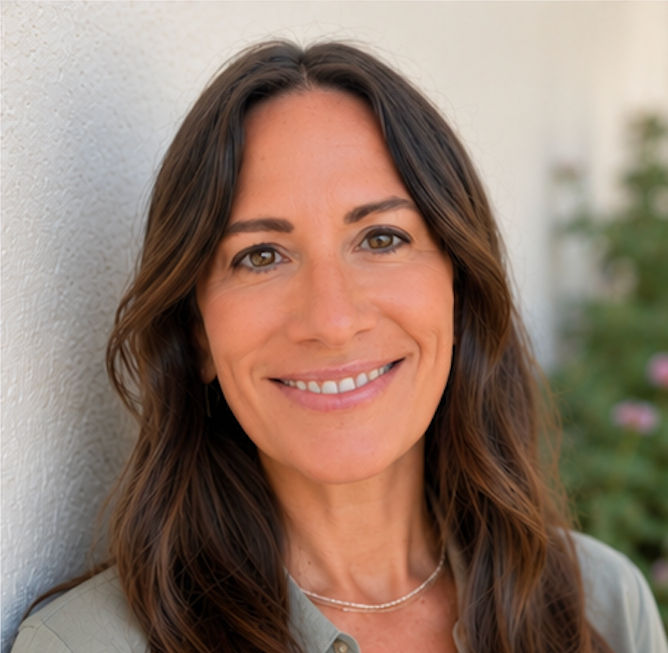
Carly Rodriguez
Certified Menopause Coach
I came to menopause coaching the same way many women arrive at this stage of life: confident, capable, and still completely caught off guard by how profoundly these “normal” changes to my body and mind impacted nearly everything in and around me: my sense of self, joyful spirit, professional ambitions, personal relationships—in short, the things that matter most to me were suddenly out of balance, and I didn’t know where to begin to regain control. Despite vibrant friendships with smart and talented women of all ages, none of them (nor my own mother) had prepared me for this feeling and experience. It’s not their fault; a lifetime of messages have conditioned us to feel shame about our bodies, about aging, and about our reproductive health. I sought out the advice of healthcare professionals, some of whom had dedicated their careers to women’s health, but was quickly let down by their lack of knowledge and dismissive attitudes about my symptoms and desire to feel better. So, after decades of working in education, in support of women and girls, and in helping businesses set and achieve strategic goals, I began the best way I knew how: by setting a clear vision for the life I wanted and by learning all I could about the steps I needed to take to make that vision a reality. Through trial and error, lots of learning, and an unwavering, unapologetic commitment to myself, I slowly climbed my way out of the fog and into the life I am living today. From hormone therapy to nutrition to exercise and sleep, I’ve re-learned how to take care of myself at this new stage of life. Every day isn’t perfect, but I am living comfortably and confidently knowing that I am doing all I can to be and feel my best, now and into the future. And I want to help you get there too. This work is personal for me, too. As the mother of two daughters, I am deeply invested in changing the story we tell about women’s health and aging. I want my daughters—and all women—to grow up in a world where menopause is understood, respected, and supported, not dismissed or endured in silence. Menopause is not the end of vitality, ambition, or joy. With the right support, it can be a powerful recalibration—one that opens the door to deeper self-trust, renewed energy, and a life that feels aligned and fully lived.

80%
of medical students have not received any formal training in menopause
94%
of women report receiving no education about menopause or perimenopause in school
20%
of women experience symptoms severe enough to significantly degrade their quality of life
51%
of perimenopausal women have not spoken with a health professional about their symptoms
The Unfortunate Reality
There have been so many moments throughout this journey when I wished I had a knowledgeable advisor, thought and accountability partner, and cheerleader in my corner. That’s how I see my role as a coach. It’s not about “fixing” you—it’s about having an experienced ally during a phase of life that’s under-supported, often misunderstood, and very real. Even a few sessions can help someone feel less alone, more informed, and back in control.

We support identity, well being, and confidence not just symptoms
Menopause often hits at the same
time as career pressure, caregiving,
or big life changes. A coach helps you:
-
make sense of who you’re becoming next
-
advocate for yourself (at work, at home, with doctors)
-
move from just getting through this to living your best life
Coaching saves you time, money, and mental energy in the long run
Instead of middle-of-the-night scrolling, second-guessing yourself, or bouncing between conflicting advice, you get a trusted guide. That clarity can reduce:
-
unnecessary time spent on research, appointments
-
trial-and-error spending
-
feeling overwhelmed or “something is wrong with me”
We create a personalized plan, because your menopause experience is unique to you
Two people can have totally different menopause experiences. A coach helps you:
-
notice patterns in your body and symptoms
-
figure out what actually helps you
-
avoid wasting time and money on random advice, supplements, or trends that don’t fit
We provide practical solutions, not just “talking about feelings”
A good menopause coach focuses
on everyday, actionable help:
-
managing symptoms like sleep issues, brain fog, anxiety, weight changes, or hot flashes
-
stress, energy, and mood regulation
-
work, relationships, and confidence
We fill a real gap in healthcare, providing consistent, ongoing support
A menopause coach doesn’t replace a doctor—but we do translate medical info, help you prepare for appointments, and support you in between and along the way.
Why Hire a Coach?
Symptoms associated with peri/menopause include:
Acid reflux/GERD
Acne
Alcohol tolerance changes
Anxiety
Arthritis
Bloating
Body composition changes
Brain fog
Breast tenderness/soreness
Decreased desire for sex
Dental problems
Depression
Difficulty concentrating
Dizzy spells
Dry or itchy eyes
Dry mouth
Dry skin
Excema
Fatigue
Frozen shoulder
Genitourinary syndrome
Headaches
Hot flashes/night sweats
Incontinence
Insulin resistance
Irritability
Itchy ears
Joint pain
Memory issues
Migraines
Mood changes
Muscle aches
Muscle loss
Pain with sex
Sleep disturbances
Thinning hair (on head)
Unwanted hair growth
UTIs
Vaginal dryness
Weight gain
...and these aren't even all—or the most surprising—of them!

How do you know if you need support?
While every woman's journey will look different, there are a wide range of symptoms that can signal you are experiencing the hormone fluctuations of perimenopause, starting as early as in your 30s.
Anything on this list sound familiar? Let's work together to determine the best way to tackle your symptoms and get you back to feeling like yourself again.

Start your shift today.